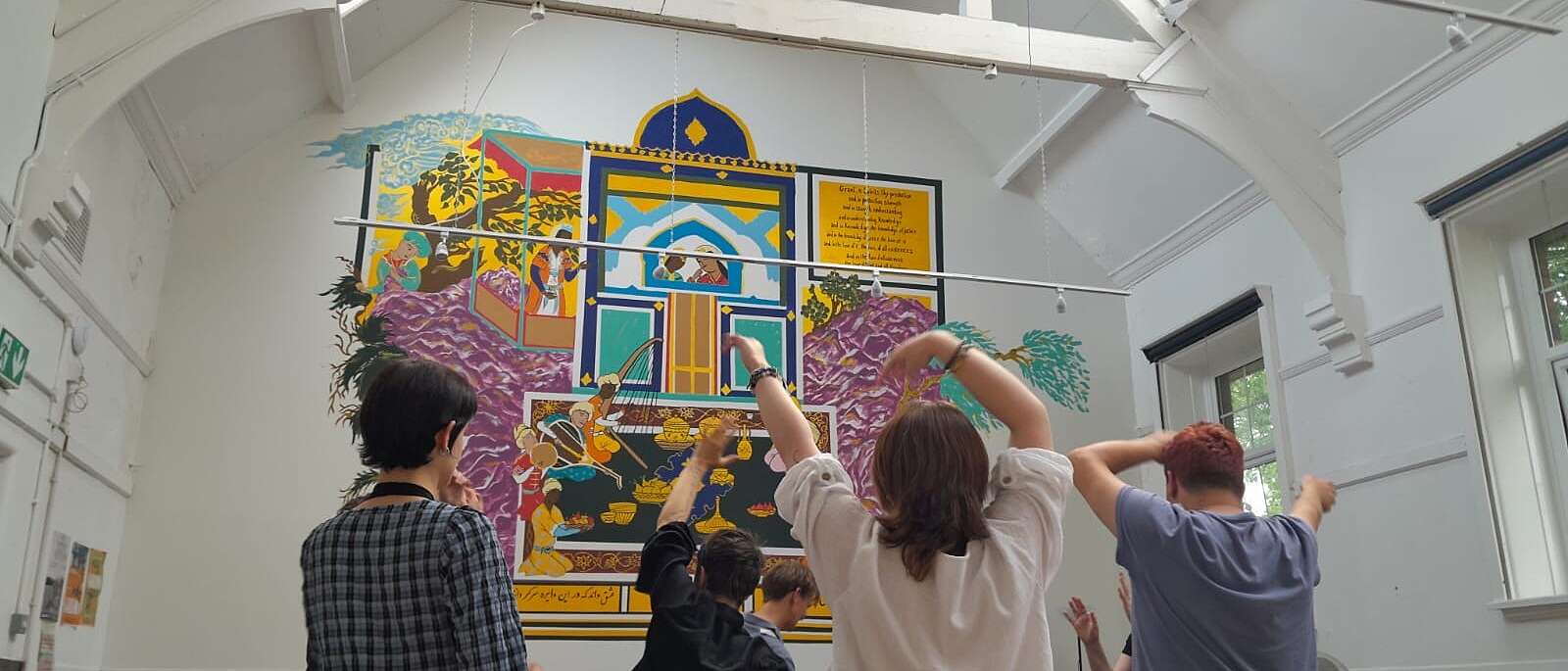
Reflecting on Garddio: Explore the Elements: Earth, Water, Fire, Air, Space – a playful arts and wellbeing programme
- Published:
Peilot is our free space, developed through long-term relationships with historically excluded communities. It's dedicated to hosting community-led activity and supporting local groups and events.
Here, Howl Hubbard, founder of Lone Worlds, a non-profit organisation dedicated to creating and supporting safe spaces for LGBTQIA+ people in Cardiff, reflects on their recent programme held in Peilot, designed to nurture collectivity, learning and reflection.
From April to October 2025, I was part of a small group of queer creatives delivering a wellbeing programme called Garddio: Explore the Elements: Earth, Water, Fire, Air, Space. The project evolved from research into the needs of Cardiff’s LGBTQIA+ community, where we identified a need for inclusive, accessible and affirming arts and wellbeing spaces, particularly for people seeking connection and collective learning without pressure to socially perform, disclose or ‘improve’ themselves. This was something I was already experiencing on an individual level, so moving to action was congruous.
The vehicle for our project is the LGBTQIA+ non-profit organisation; Lone Worlds, funded by the National Lottery Community Fund. The project is an ongoing collaboration between Lone Worlds and Chapter, and is based out of their magical, private and accessible community space, Peilot.
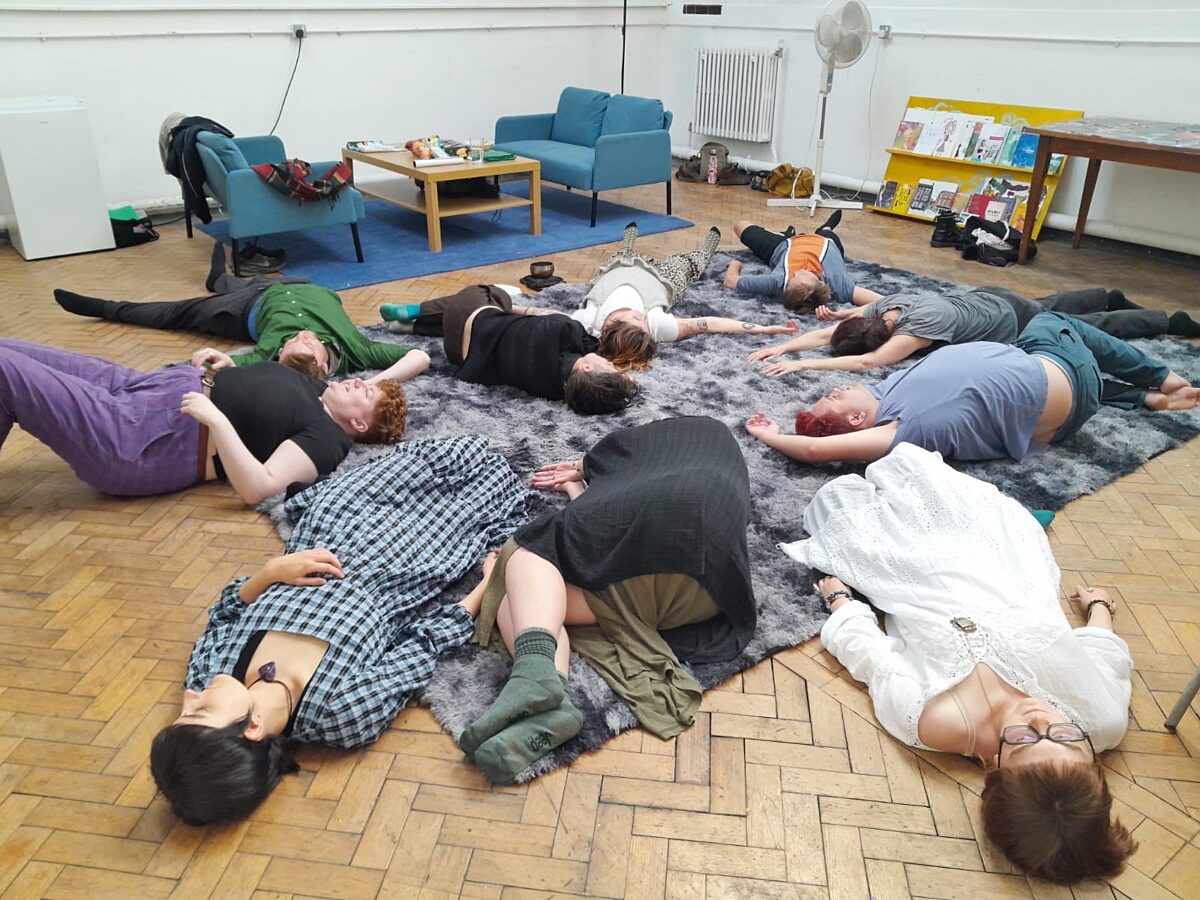
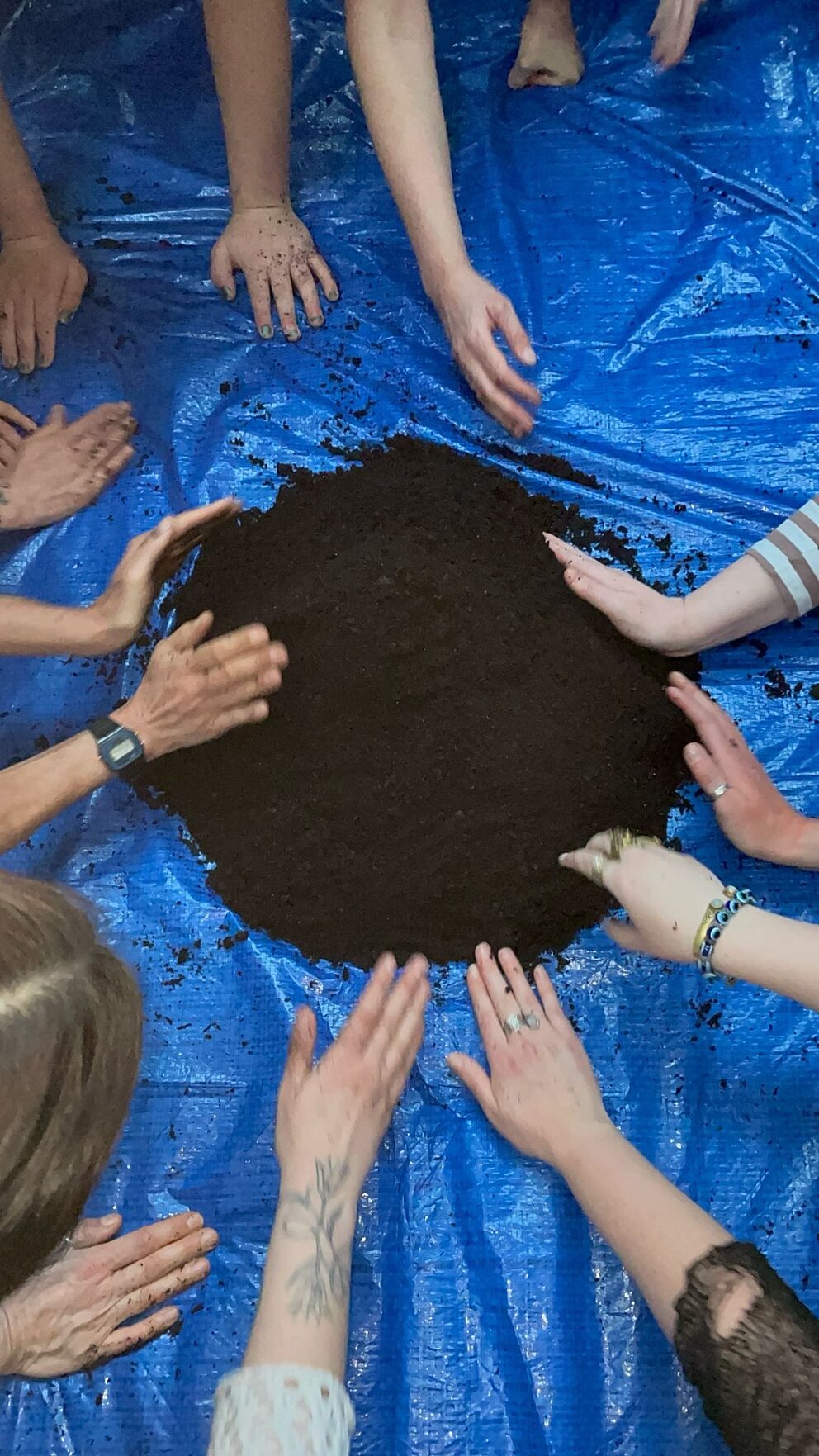
As a community, we met in the space for weekly sessions during the spring and autumn. During the sessions, the five elements – earth, water, fire, air, space – were adopted as a framework for reflection and communication. The core intention was to grow positively and collectively by connecting with our present experience. Each session, people were invited to explore how an element could manifest – bodily, mentally and emotionally. In the context of the sessions, we’d look at an element and discuss themes relating to it, for example water/emotional flow. Then, we’d reflect through play: we could draw, paint, or move to embody those reflections.
The inspiration to adapt the elements in this way came from pagan and Eastern spiritual and philosophical roots. There, we’re told the five elements are fundamental universal matter, and because we’re not separate from the universe and instead are a part of it, the elements also appear and reflect in our inner worlds and bodies. However, the sessions weren’t spaces for experts to lecture on this, instead, it was a collective space where we discovered more about ourselves through exploring the elements. This manifested through discussions alongside embodied and reflective activities like playing with dirt or clay, drinking water or tea, generating heat and breathing.
Activities were intentionally adaptable, allowing people to engage at their own pace and in ways that felt safe for them. Play had an especially important role. Most of us are trying to be in control in a serious world every day, and playing takes a backseat in life. The sessions were a space where we could play together, and a participant even called it ‘an after-school club for adults’.
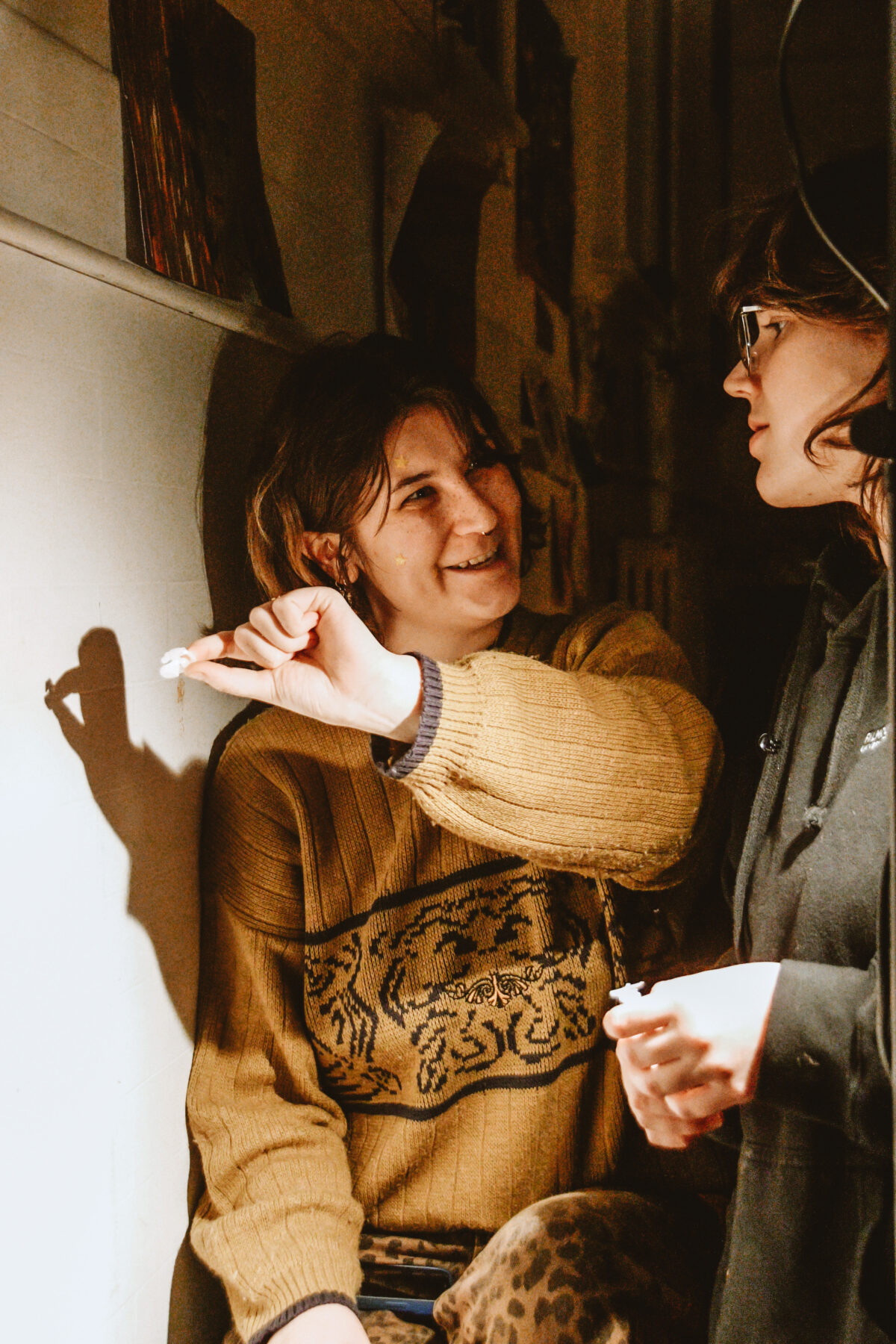
Over the course of the sessions, the way people interacted with each other and the space shifted. Participants became more comfortable experimenting, resting and playing; exploring and moving between seriousness and lightness, and feeling comfortable to show up as they felt on the day. Care emerged in practical ways as well; attendees were offered one-to-one wellbeing support facilitated by our Wellbeing Guide, a responsive role designed to safely meet the emotional or mental needs arising within the session.
I’m really proud of the community that has evolved out of the programme. The sessions created space for presence and mutual recognition, meaning that we could connect authentically and naturally with each other. For some, just attending was significant. For others, it was the opportunity to be in a queer-affirming environment where rest, play and emotional expression were welcomed rather than managed or contained. The consistency of meeting in the same place, with the same facilitators and a familiar group, helped establish trust and created a positive, authentic and warm community culture.
Here’s some feedback from participants:
“These workshops evoked emotions in me that I didn’t know I was suppressing. It showed me that community is a massive contributor to my emotional wellbeing and that finding a space I belong in is paramount to my sense of self.”
“I felt a strong sense of community, of belonging. I felt able to be myself without effort.”
“They [the sessions] made me feel empowered and liberated and made me feel very emotional in a space where I felt safe and loved.”
“They made me feel accepted in my queerness, calming, playful and inspiring.”
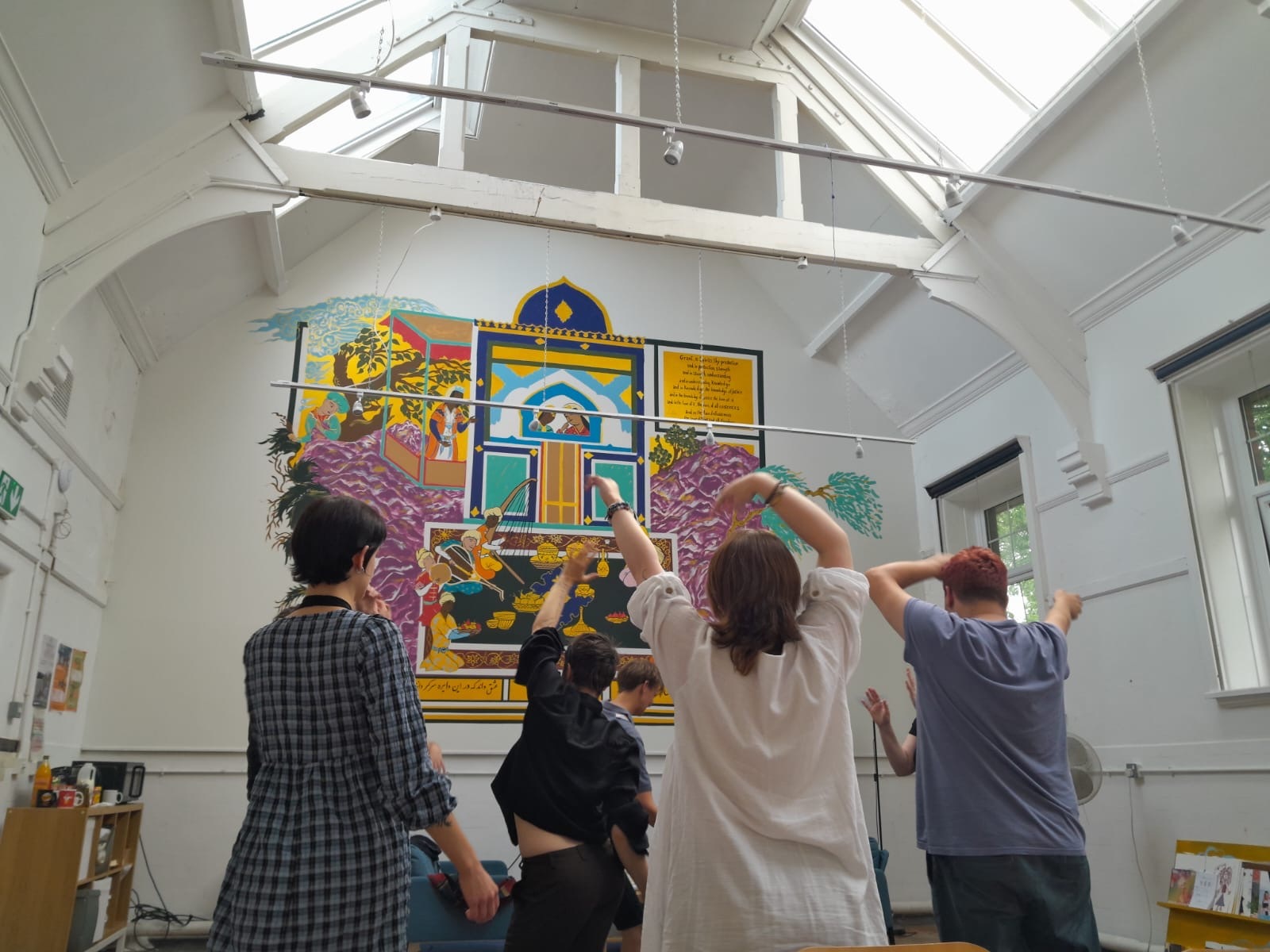
Lone Worlds will continue to grow Garddio, as a project and a community. Developments are based on community feedback – the workshops and nature walks will remain an essential part of the programme, as will continuing to connect with like-minded organisations across Cardiff, and the surrounding areas of South Wales.
Alongside this, we’re researching how to run day trips, short residentials and retreats. Events like the Death Café and solar calendar gatherings will also continue and expand. The team will be applying to the National Lottery Community Fund to continue funding the project. If you’d like to find out more, visit our website or follow us on Instagram.
I’m also really thrilled to have been recently appointed to the Chapter Board and I’m excited to represent the young LQBTQIA+ community at board level.
For enquiries about future possibilities within Peilot Space, contact Kofi at [email protected].