Celebrating films made in Wales
- Published:
It’s been said that Welsh films are like buses; you wait for one, and then three come along at once. This month, we’re celebrating the breadth of Welsh culture, with an emphasis placed on youth culture through our BFI Rip It Up season.
We asked Claire Vaughan, our Cinema Programme Curator, to share her insights into these films and her thoughts on the health of Welsh cinema:
“At the end of May we were treated to a visit from Mathew Pritchard, whose journey from a kid skateboarding in Cardiff morphed into a career doing stunts for Dirty Sanchez, followed by 20 years trying to find a balance in life outside hedonistic late nights. The documentary of this journey, The Road of Excess has hit a nerve with audiences, with huge numbers seeing the film around the UK as part of a Q&A tour.
Since its inception in 2020, Chapter’s Queer Short Film Prize has celebrated talented young filmmakers in Wales making shorts that look at stories from LGBTQIA+ culture. This year, our call out had a record number of submissions. The shortlist will be screened, with one awarded the prize which then qualifies it for the Iris Prize Best of British and will go on to screen on Channel 4.
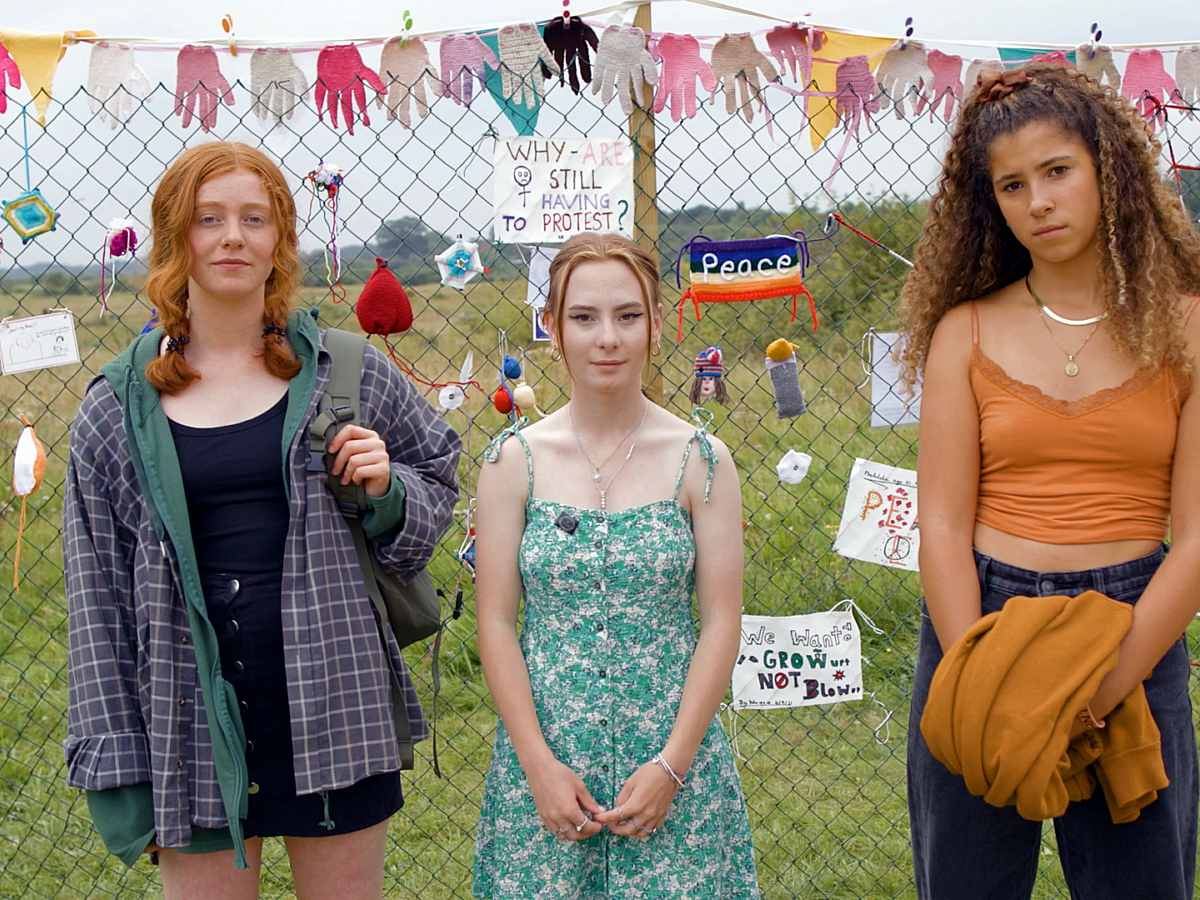
Our BFI Rip It Up season begins on 16 June with a screening of Barbara Santi’s documentary Gentle Angry Women followed by a Q&A with Poppy Stowell-Evans. Poppy, from Newport, was part of a small group of young activists who walked from Cardiff to Greenham Common – with women who’d taken part in the 1980s protests – to find out more about that generation’s approach and talk about issues they’re interested in today. As young people face increasing economic hardship, and with harsher punishments for organising protests, it’ll be fascinating to see how Poppy found the experience and her time making the film.
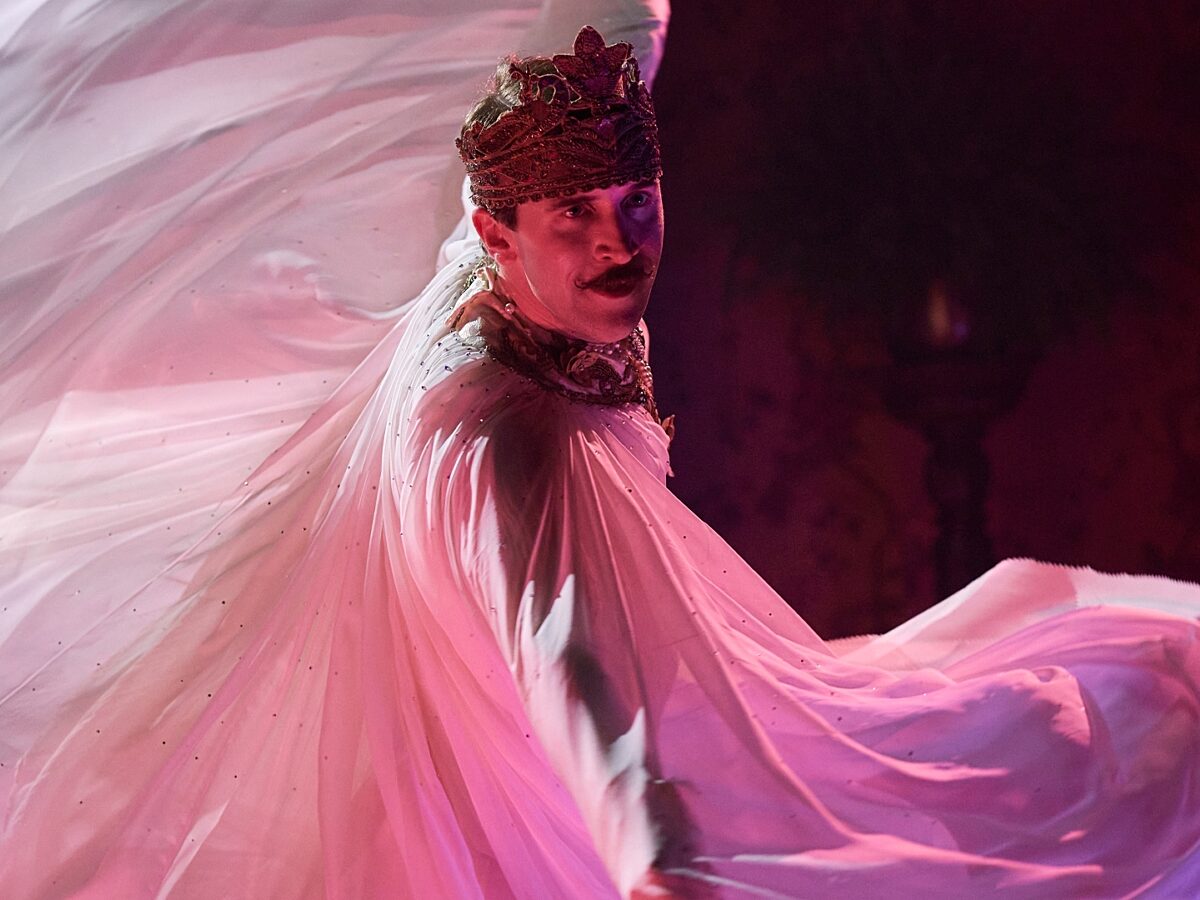
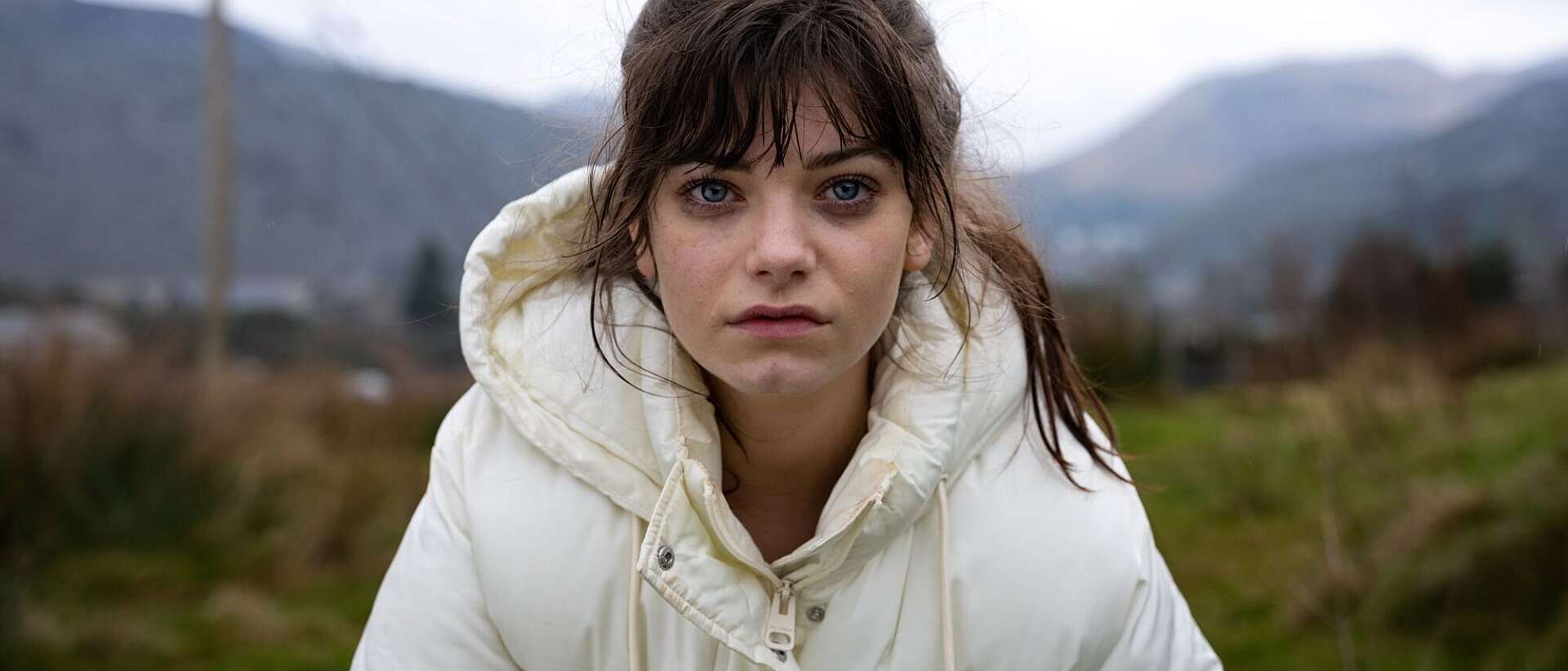
Finally, we welcome two Welsh films on UK release, both set in North Wales, just over 100 years apart – one in Cymraeg and one in English. Celyn Jones’ Madfabulous looks at the young Henry Paget, 5th Marquis of Anglesey, blazing a colourful, scandalous trail through the aristocracy. Gary Owen’s play Iphigenia in Splott has been shifted north and adapted into Cymraeg as Effi o Blaenau, beautifully directed by Marc Evans who had huge success last year with Mr Burton.
So, what can we conclude about the health of Welsh filmmaking from this month packed full of titles?
The fact that it’s so unusual to have so much to talk about is a reality check in itself. It’s worth celebrating that this month we have two films being released by major distributors, but it’s telling that Gentle Angry Women and The Road of Excess are both largely self-distributing, with Birmingham-based Mockingbird taking the documentary on Mathew Pritchard. Wales doesn't have a film distributor taking our stories beyond its borders, and we still depend on those stories being compelling enough to attract interest from companies elsewhere in the UK.
The growing confidence in Welsh storytelling feels timely as Wales settles into a new government in the Senedd, one that has come with a renewed recognition of our distinct identity.
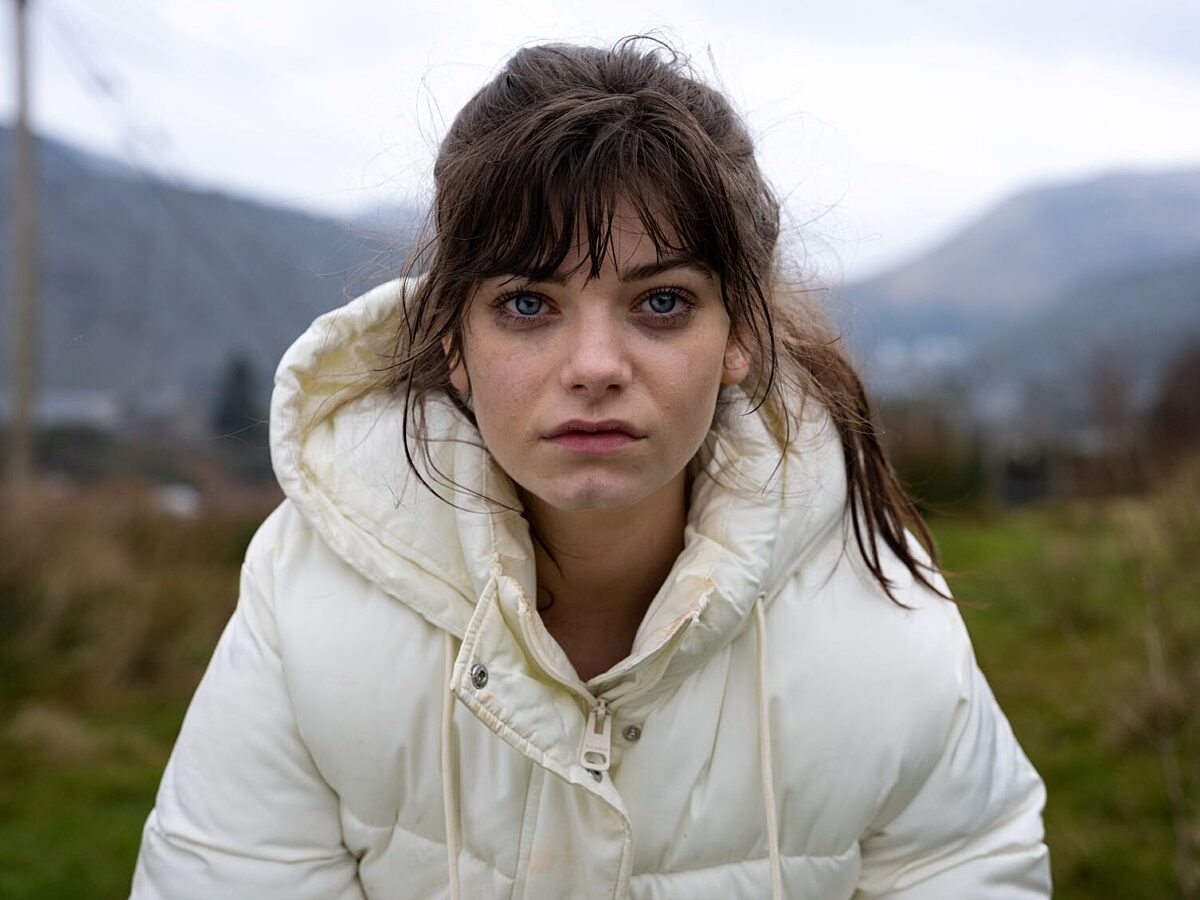
Effi o Blaenau will be an interesting test of the idea that Welsh films can carry this cultural identity while also telling stories that resonate with audiences elsewhere. The film’s premiere received rave reviews at Glasgow Film Festival earlier this year, including a glowing write up from Guardian critic Peter Bradshaw. Blaenau Ffestiniog's austere beauty is clear for all to see, but it's Effi herself who stays with you: quick, defensive, with cutting put-downs and a dancing sparkle in her eye. I don't know that I've ever seen a community I recognise reflected in such an unapologetically frank and vibrant way.
Welsh filmmaking’s in a genuinely exciting moment, and the talent has always been here. Now we get to celebrate it, share it and make some noise.”